How I Plan a Home Project From Start to Finish
Every home project starts with excitement — and almost always ends up feeling more complicated than expected.
Over the years, I’ve learned that the difference between a smooth, satisfying project and an overwhelming one rarely comes down to budget or experience. It comes down to planning.
Not rigid, perfection-driven planning — but thoughtful preparation that creates clarity before decisions pile up. This is the approach I return to for every project, no matter the size.
Step One: Begin With the Feeling, Not the Finish
Before I think about paint colors, furniture, or materials, I start with one question:
How do I want this space to feel?
Calm. Warm. Energizing. Grounded.
That feeling becomes the filter for every decision that follows. When choices start to feel overwhelming, I come back to it — and suddenly the right direction feels clearer.

Step Two: Define the Scope (Gently)
Most projects spiral because too much is left undefined.
I take time early on to outline:
What is included in this project
What is not
What absolutely must be decided before anything begins
This doesn’t mean everything needs to be locked in — just acknowledged. Clarity here prevents frustration later.
Step Three: Organize Before You Purchase
It can be so tempting to jump straight into sourcing — but I’ve learned that organization should come first.
Before buying anything, I like to:
collect inspiration in one place
list needed materials and finishes
note dimensions, quantities, and constraints
This step alone can save time, money, and second-guessing — and it makes the creative part far more enjoyable.
Step Four: Create Simple Systems That Support You
Planning doesn’t need to be complicated to be effective.
I rely on simple tools:
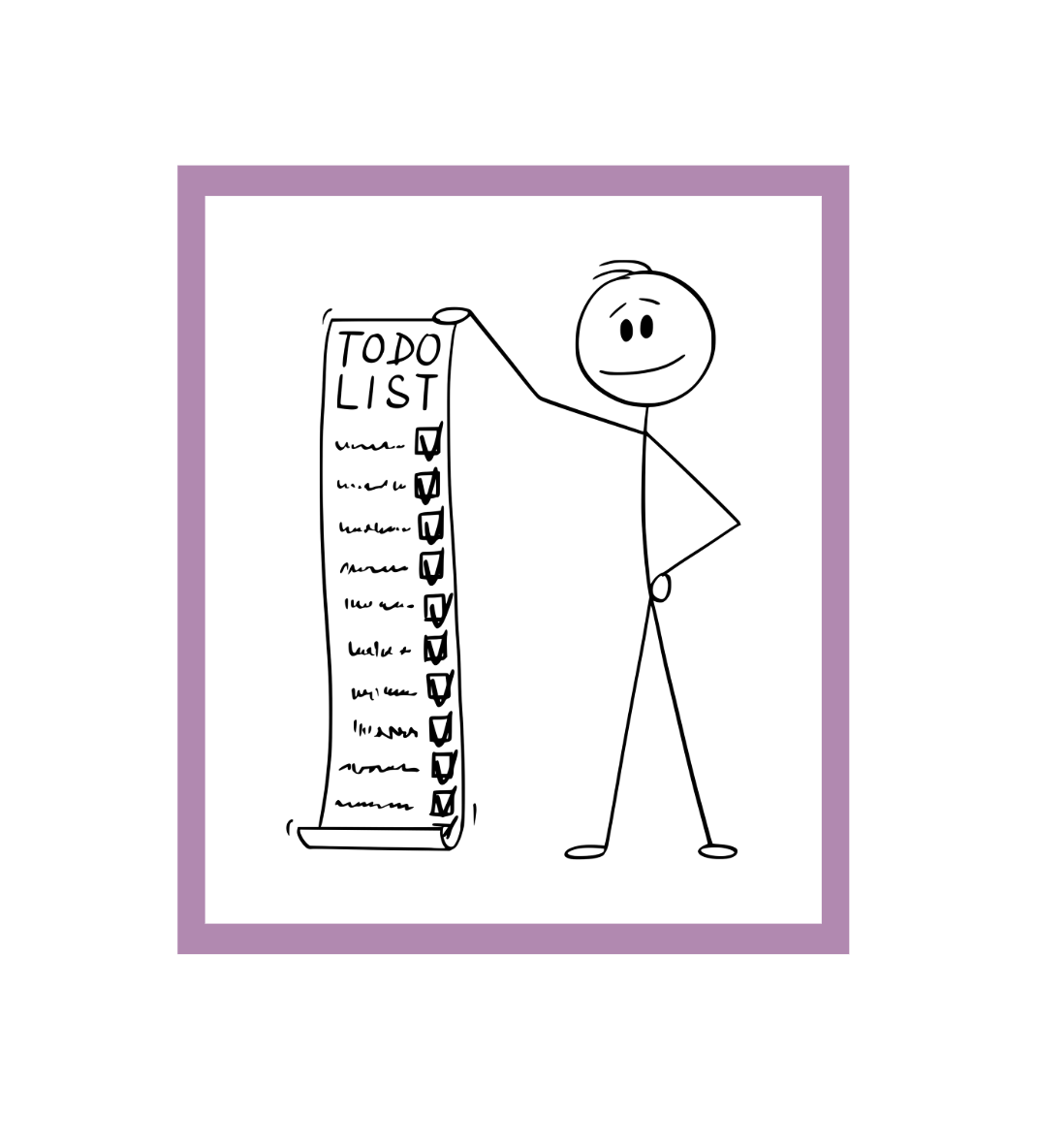
checklists
timelines
selection trackers
These systems aren’t about control — they’re about reducing mental load so creativity has room to breathe.
Step Five: Leave Space for Adjustments
Even the best plans evolve.
I always expect to refine as I go — a material changes, a timeline shifts, a better idea emerges. When the foundation is solid, these adjustments feel manageable instead of stressful.
Flexibility is part of the process, not a failure of planning.
A Calm Project Is a Well-Planned One
The goal of planning isn’t perfection — it’s support.
When decisions are thoughtful and systems are in place, home projects become less about reacting and more about creating. That’s when they start to feel not just successful, but satisfying.
A Gentle Note….
If you’re planning a home project right now, remember this:
clarity creates calm — and calm creates better spaces.
I’m so glad you’re here.